
A Cancer Diagnosis Can Infect the Whole Family
Life is chaotic and unpredictable which can make it difficult to prepare for scenarios that are beyond our control. You can get into the habit of...


Call it what you will: beer belly, love handles, gut, spare tire, or anything else. Whatever the words, they’re all referring to the same thing: belly fat, which is one of the most common types of fat for men. As you’ve no doubt noticed, as we gain weight, our thighs, legs, and arms usually don’t change much. Instead, our fat tends to accumulate around the chest, neck, and stomach. Women, on the other hand, tend to store their fat a little lower, around the butt and thighs. Fat, no matter where it’s stored, is a pretty clear indicator that you’re out of shape, and it can negatively affect your self-esteem. But that’s just the beginning. Unlike fat in other areas, having belly fat increases your risk of developing a number of serious health conditions—in particular, cardiovascular disease, high blood pressure, diabetes, and colorectal cancer—any of which are perfectly capable of killing you.
In short, No. Belly fat comes in two very different varieties. First, there’s subcutaneous (which literally means “under the skin”) belly fat, which is found, well, just under the skin. Subcutaneous fat around your belly is no different than subcutaneous fat anywhere else on your body, whether it’s your butt, your arms, your legs, or your toes. It’s the fat that you can pinch between your fingers. Aside from being unsightly and a clear indication that you need to lose weight, subcutaneous fat isn’t particularly dangerous.
The second kind of belly fat, visceral (which means “relating to the internal organs”) fat, is located deep inside your body and surrounds, as you might expect, many of your internal organs, including your heart, intestines, liver, and lungs. Unfortunately, you can’t see visceral fat with your naked eye. But it’s a huge health threat because it pumps substances called cytokines into your bloodstream, where they cause inflammation and lead directly to the health risks mentioned above as well as high cholesterol, inflammation throughout the body, liver problems, and a lot more.
Clearly, visceral belly fat is a serious threat to your health, and getting rid of it isn’t going to be easy. That said, one of the best ways to combat visceral fat it is to get more exercise. Try for at least 30 minutes every day. But keep in mind that when it comes to fighting visceral fat, not all exercise is the same. Cardiovascular exercise (the kind that gets your heart rate up) is by far the most effective. If you haven’t exercised in a while, start off easy, with brisk walks. As your fitness level builds up, add in some running, biking, swimming, rowing, and so on. The more you do the better.
In addition to physical activity, you need to change your diet, but not in the starve-yourself-for-a-short-time-until-you-lose-weight way. The kind of diet we’re talking about is a for-the-rest-of-your-life, lifestyle thing. Shoot for a diet that’s rich in fruits and vegetables, high in fiber, low in red meat, and filled with lots of whole grains. Limit your fat intake, cutting out as much trans fats as you can. Get in the habit of reading food product labels. It can be pretty scary.
It’s not all about the foods you eat, though. It’s also about how much you eat at one time. Most Americans actually eat double sized portions at every meal. We’ve been conditioned to think that a meal should stuff us to the point of being overfull. Wrong. Control your portion size, eat slowly, stop when you’re not hungry anymore, and you’ll have a much better grasp over how many calories you’re taking in each day. Eat less at home, and if you’re out, spilt your plate with someone or take half of it home for the next day.
Photo by Ehimetalor Unuabona on Unsplash

Life is chaotic and unpredictable which can make it difficult to prepare for scenarios that are beyond our control. You can get into the habit of...

Dear Healthy Men: I just read that the United States Preventative Services Task Force (USPSTF) is recommending against men and boys doing testicular...
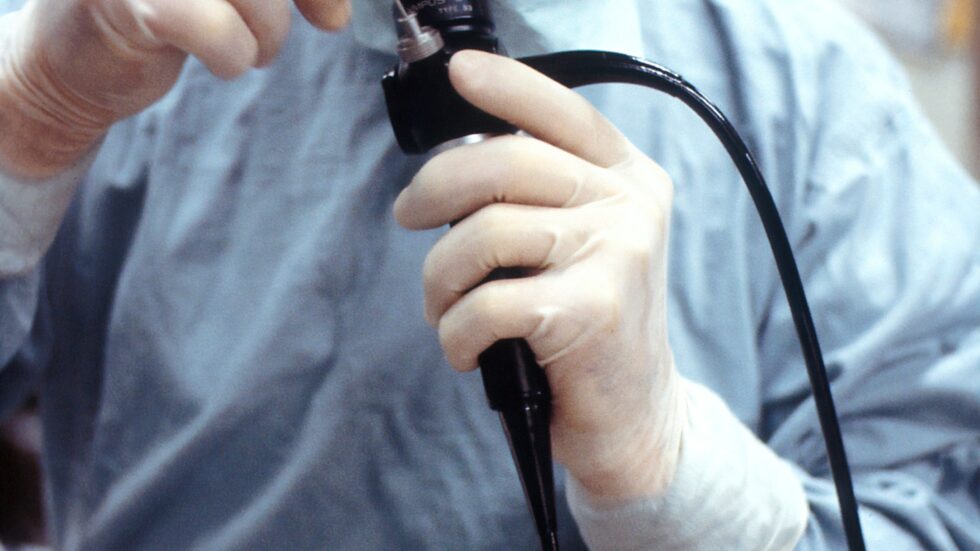
Dear Healthy Men: When Chadwick Boseman died of colon cancer a few months ago, I was surprised that he was so young—I always thought it was an...